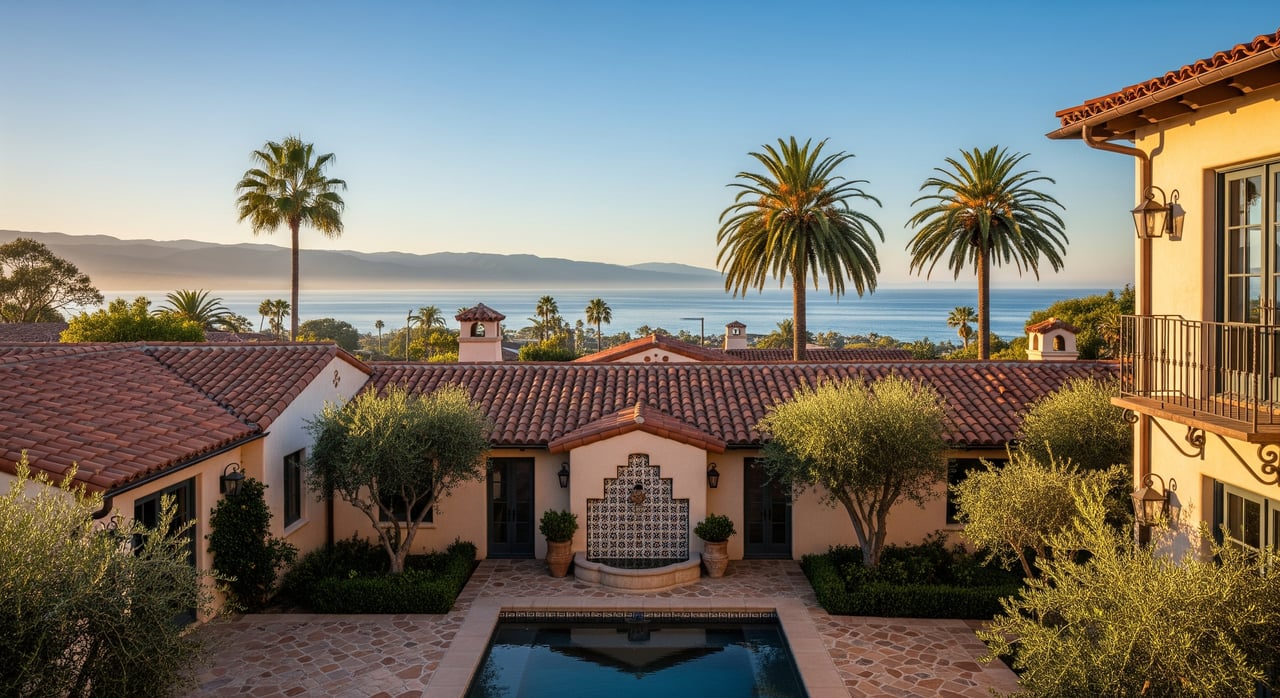
Are two homes just a few blocks apart really different markets? In Santa Barbara, that answer is often yes. If you have been watching listings and wondering why price per square foot swings so much, you are not alone. Micro-markets are the reason. In this guide, you will learn how Mesa, Riviera, San Roque, and the Waterfront each behave differently, and how those differences shape pricing, comps, and offer strategy. Let’s dive in.
What a micro-market means here
A micro-market is a small, well-defined area where supply, demand, buyer profiles, and pricing drivers differ enough from nearby streets that you need separate analysis. In Santa Barbara, short distances can change view corridors, slopes, and insurance risk. That means two similar homes can perform very differently.
This matters because coastal exposure, topography, and open views shift fast from block to block. With limited inventory and steady demand, small differences in lot usability, parking, condition, or view can move price and competition a lot. Local rules, HOA policies, and hazard and insurance factors also vary by area, which can affect offers and financing terms. If you understand the micro-market, you can set a smarter list price or write a stronger offer.
For boundaries and zoning context, use the city’s official resources. The City of Santa Barbara publishes helpful neighborhood and zoning maps you can reference before comparing comps or planning offer terms.
What drives value in Santa Barbara
Several factors carry outsized weight across Santa Barbara’s micro-markets:
- View and proximity to the ocean or harbor. This is often the largest premium driver.
- Walkability to beaches, downtown, and services. This is especially strong by the Waterfront and parts of the Mesa.
- Lot size and usable outdoor space. On hillsides, buildable area and access can vary.
- Condition and modernization. Turnkey homes often sell faster and closer to top of range.
- Zoning and rental potential. Condo and short-term rental rules shape buyer pools and financing.
- Risk and insurance factors. Wildfire exposure, flood zones, and coastal erosion risk can affect insurance availability and loan timing. You can check flood exposure on the FEMA Flood Map Service Center and coastal hazard context using NOAA’s Sea Level Rise Viewer. For seismic considerations, review the USGS earthquake maps and tools.
Santa Barbara micro-market profiles
Below are plain-English snapshots you can use to frame price and offer strategy. Exact numbers change, so verify specifics with current comps.
Mesa
- Location. A coastal plain west and south of downtown, generally from the Oak Park area toward Shoreline Park and Leadbetter Beach.
- Housing. Mid-century single-family homes, bungalows, modest lots, plus some condos and small multiunit buildings. More flat lots and fewer steep slopes.
- Buyer profile. Locals who value beach access and parks, plus buyers who want lifestyle and relative value compared with view-centric hillsides.
- Pricing behavior. Often more affordable than Riviera or Waterfront on a similar square footage basis because there are fewer sweeping ocean panoramas. Turnkey properties draw multiple offers. Fixers attract investors and contractors.
- Comps and appraisal. Match comps tightly for ocean proximity and subtle elevation shifts. A short distance toward or away from the coast can change value.
- Offer tactics. Standard inspections and contingencies are common. In a hot week, stronger earnest money or an escalation clause can help. Full inspection waivers are less common than in ultra-competitive coastal segments.
Riviera
- Location. Hills that run above the city toward the bluffs with ocean and harbor outlooks, including areas near lower Montecito Street and Sugarloaf.
- Housing. A mix of early 20th century and newer custom homes, many with big views. Streets can be steep and narrow. Lots are often terraced hillside parcels.
- Buyer profile. Buyers who prioritize views and prestige, including many out-of-area shoppers who will pay for panoramic outlooks.
- Pricing behavior. Significant premiums for unobstructed ocean or harbor views. Price per square foot for a true panorama can be much higher than non-view homes nearby.
- Comps and appraisal. The view premium complicates comps. Appraisers must find recent sales with similar view quality, so adjustments are common and can be large.
- Offer tactics. Sellers often look for very clean terms. Strong financing or cash, shorter inspection periods, and appraisal gap coverage can make your offer stand out.
San Roque
- Location. Mostly inland, west of State Street and north of Highway 192, with easy access to services and downtown.
- Housing. Bungalows, mid-century ranches, and single-family homes on modest lots, plus small infill and some multiunit properties.
- Buyer profile. Longtime locals, first-time buyers, and those seeking a quieter residential feel with solid access to daily needs.
- Pricing behavior. More moderate pricing than coastal micro-markets, with steady demand and smaller premiums for views.
- Comps and appraisal. More sales volume helps. Condition, layout, and lot usability matter a lot for value.
- Offer tactics. Inspections and repairs often drive negotiations. In slower weeks, you may be able to negotiate seller credits or repairs.
Waterfront (West Beach, Stearns Wharf, Harbor)
- Location. Along Cabrillo Boulevard near the harbor, wharf, and West Beach.
- Housing. Condo buildings, luxury condos, and a few cottages. Many properties are lifestyle-driven and some have income potential, subject to local rules.
- Buyer profile. Buyers focused on walk-to-waterfront living, second-home shoppers, and investors who analyze rental potential and HOA factors.
- Pricing behavior. High price per square foot for proximity to the beach and downtown. Premiums are strongest for direct frontage or unobstructed water views.
- Comps and appraisal. Seasonal rental income can shape investor valuations. Coastal regulation and insurance costs can affect financing and comps adjustments.
- Offer tactics. Cash or strong portfolio financing can reduce risk for sellers. Lenders may review flood and coastal insurance availability closely. Shorter timelines and fewer financing unknowns help your odds.
Pricing and offer playbook
You can tailor your approach by micro-market and week-to-week competition. Use the steps below as a starting point and calibrate with fresh comps.
Read the market signals
- Median price trend and price per square foot. Check the direction over 3 to 12 months to understand momentum. For county and city context, review the California Association of Realtors’ monthly market reports.
- Inventory and sales volume. Low inventory pushes toward multiple offers and stronger terms.
- Days on market and sale-to-list ratio. Faster sales and higher ratios point to less negotiation room.
- Cash share vs financed. A higher cash share can change what “competitive” looks like in Riviera and Waterfront.
Adjust tactics to conditions
- If inventory is tight. Consider larger earnest money, an escalation clause, and shorter contingency periods that still protect you.
- If comps are thin or view premiums are high. Prepare for appraisal risk. Add appraisal gap language or show proof of funds to cover a gap.
- If insurance or hazards are a factor. Pre-check availability and quotes for wildfire or flood coverage so your loan stays on track.
- If seasonality matters. Summer and early fall often bring more activity near the Waterfront. Off-season can open room for credits or repairs in some areas.
Match strategy to buyer type
- Primary residence buyers. Use full pre-approval or pre-underwriting. Keep inspections but tighten timelines. Avoid waiving protections without a plan.
- Investors. Lead with proof of funds, confirm rental rules, and propose a shorter closing. Provide a clean path to close.
- Out-of-area buyers. Line up a local lender and escrow, schedule quick inspections, and build a timeline that fits your financing.
What to gather before you write an offer
Use this quick checklist so your pricing and terms reflect the micro-market, not just the city average:
- Recent 6 to 12 month comps within the micro-market, labeled by view tier: no view, partial, full ocean or harbor.
- A site read: lot slope, access, parking, and usable outdoor space. This is key on hillsides.
- Hazard checks: flood and coastal risk on the FEMA map and NOAA’s Sea Level Rise Viewer; seismic context via USGS earthquake tools.
- Insurance verification: confirm availability and rough quotes for any flagged hazards before finalizing your terms.
- Zoning and neighborhood context: confirm boundaries and any overlays using the city’s official maps.
- Financing strength: pre-underwritten approval or proof of funds, plus your plan for an appraisal gap if needed.
- Condo or HOA specifics: lender project approvals, HOA financials, and any rental restrictions if applicable.
Putting it all together
When you compare homes in Santa Barbara, think small. A view change or a two-block shift can reshape buyer demand, comps, and your negotiation posture. In Mesa and San Roque, you may prioritize inspections and value plays. On the Riviera and Waterfront, you may lead with cleaner terms and appraisal planning.
If you want a tailored plan, we can walk you through a micro-market CMA, map risk and insurance items, and structure terms that match your goals. Reach out to Crawford Speier to get started.
FAQs
How much more is a view worth in Santa Barbara?
- It depends on the view tier and recent sales with similar outlooks; full ocean or harbor panoramas can command substantial premiums over partial or no-view homes, so compare tightly matched comps before setting price or writing over asking.
Do you need to worry about flood or coastal erosion near the beach?
- Yes, verify exposure early using the FEMA Flood Map Service Center and NOAA’s Sea Level Rise Viewer, then confirm insurance availability and lender requirements before you firm up contingencies.
Will an appraisal support a price above asking in view-heavy areas?
- Sometimes, but comps can be scarce and adjustments large, so include appraisal gap language or show funds to cover a potential shortfall if you are paying for a premium view.
Should you waive inspections to win a Santa Barbara home?
- Waiving can win in competitive moments, but it increases risk; consider shorter inspection periods or a pre-inspection if permitted instead of removing protections entirely.
How does seasonality affect offers by the Waterfront and Mesa?
- Activity often increases in summer and early fall around the Waterfront, which can tighten timelines and reduce negotiation room, while off-season periods sometimes improve leverage for credits or repairs in select micro-markets.
What about insurance and financing for hillside or coastal properties?
- Line up quotes for wildfire or flood coverage and confirm any condo project approvals early, since insurance cost or availability can affect loan timing and your final offer terms.