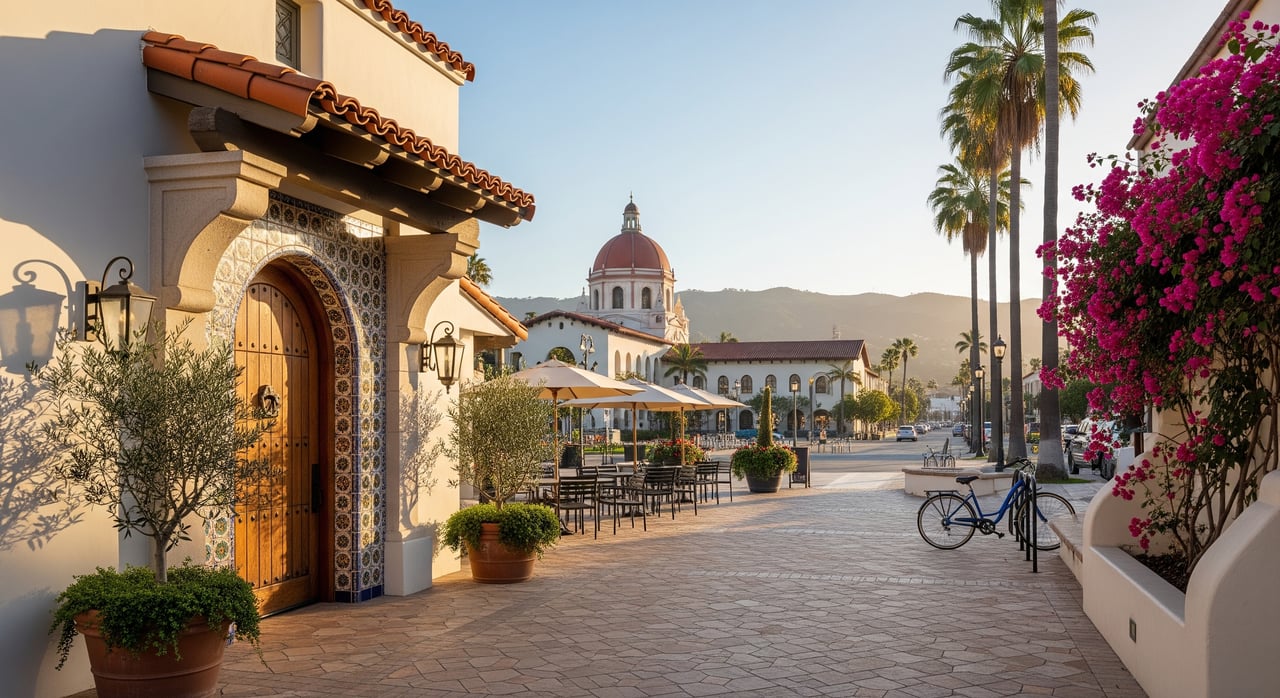
Thinking about ditching your car in downtown Santa Barbara? If you love walkable streets, ocean air, and easy access to daily needs, this lifestyle can work surprisingly well here. You still have to plan for the occasional big errand or regional trip, but most days are simple and stress free. In this guide, you’ll learn how to make car-free living work in the downtown core, with practical tips for housing, errands, transit, and weekend fun. Let’s dive in.
Why car-free living works downtown
Downtown Santa Barbara is compact and mixed use. You can walk from State Street to the waterfront and reach shops, cafés, parks, offices, and cultural spots in minutes. The grid is simple to navigate and the main destinations often cluster along or near State Street.
The climate is mild most of the year, and the terrain near the waterfront and lower downtown is relatively flat. That makes walking and biking comfortable for daily trips. If you choose a central address, you can handle a surprising share of life on foot.
Walking the core: 5–15 minute trips
In the core, many everyday errands take 5 to 15 minutes on foot. Coffee runs, dining, banking, quick office commutes, and small grocery trips are practical without a car. Sidewalks, crosswalks, and plazas make the pedestrian experience straightforward, especially around State Street.
You also have plazas and cultural landmarks close by. The County Courthouse, the waterfront, and the retail corridors around State Street support a relaxed, walkable rhythm.
Biking the waterfront and around town
The Shoreline and Cabrillo bike path along the waterfront gives you a low-stress route for commuting or leisure rides. It connects West Beach past Stearns Wharf and East Beach, with scenic stretches that double as a pleasant workout.
On city streets, you’ll find a mix of bike lanes and shared roads. Protected lanes are limited, so expect changing conditions as you move between corridors. Plan your routes and give yourself a little extra time until you learn which streets feel most comfortable.
Secure parking matters when you go car free with a bike. Racks are common near commercial areas, but building storage varies. When you tour homes, look for secure bike rooms or in-unit space that can handle your gear.
Transit you can rely on
The Santa Barbara Metropolitan Transit District runs local bus routes that hub through downtown and connect to East Beach, Upper State, the Westside, the Mesa, and Goleta. It’s useful for cross-town errands and commutes. Check current route maps and timetables to make sure the frequency works for your schedule.
For regional trips, Amtrak’s Pacific Surfliner serves the downtown station and connects to Los Angeles and San Luis Obispo. Trains are less frequent than buses, so plan ahead if you need a time-sensitive run. Intercity buses and regional transit providers also serve the area, which can cover trips that would otherwise require a car.
Airport access is straightforward. Santa Barbara Airport lies west of downtown and is reachable by transit, taxi, or rideshare. Ride-hail and local taxis are widely available, and airport or hotel shuttles run seasonally.
Groceries, markets, and deliveries
You can cover smaller grocery trips on foot or by bike at nearby markets. Santa Barbara also hosts certified farmers’ markets on multiple days in different locations, which makes fresh produce easy to get without driving. For heavy items or larger orders, grocery delivery is a common solution.
Many residents combine frequent small shops with delivery every week or two. For extra-large purchases, a quick rideshare or rental can do the trick without the cost of owning a car full time.
Schools, childcare, and healthcare access
Public and private schools, preschools, clinics, dental offices, urgent care, and pharmacies are in or near the core. Families who live downtown often choose schools that align with their routine to keep trips simple. School boundaries and assignments vary by address, so verify details for each home you consider.
For specialty care or hospital visits, a short bus ride or rideshare usually works. This is another place where planning helps, especially if you need off-peak or late-evening appointments.
Housing that fits a car-free lifestyle
Downtown housing tends to be apartments, condos, and townhomes. Single-family homes are less common in the immediate core. Many buildings have limited on-site parking, which is less of a concern if you plan to live car free but still matters for guests or occasional car use.
Prioritize buildings with bike storage or lockers, laundry, and reliable package management. Proximity to grocery stores, markets, and bus stops also makes daily life smoother. If you expect occasional car use, look into nearby public garages, street parking rules, and any residential permit programs.
When you still need wheels
No car does not mean no mobility. For bulky grocery runs, trips to mountain trailheads, or late-night outings when bus service is limited, you have options. Rideshare and taxis are widely available, and rentals are an easy add-on for day trips.
Some residents mix modes through the week: walking and biking for daily errands, bus or train for commutes, and rideshare for the last mile or late hours. This hybrid approach keeps costs lower than full-time car ownership while maintaining flexibility.
A sample car-free day
- Morning: Walk to coffee on State Street, then head to work on foot or catch an MTD bus to a nearby neighborhood.
- Midday: Quick bike ride along the waterfront for lunch, then a short errand on your route back.
- Afternoon: Pick up a few groceries at a neighborhood market or visit a farmers’ market.
- Evening: Meet friends downtown for dinner and a show, then walk home. If it runs late, a rideshare brings you back in minutes.
What to consider before you commit
Bulk shopping and furniture runs are harder without a vehicle. Delivery helps, but you will want a plan for those rare but heavy trips. If you love remote beaches or mountain trails, factor in a rideshare or occasional rental.
Late-night transit coverage can be limited depending on the route. If you work late hours or enjoy nightlife, plan for a backup. Weather is usually mild, but occasional storms can make biking or walking less comfortable for a day or two.
Apartment hunter checklist
Use this checklist while touring downtown homes:
- Location: Central address within a 5–15 minute walk to groceries, pharmacies, and daily errands.
- Transit access: Short walk to MTD stops that serve your most frequent trips; confirm current timetables.
- Bike readiness: Secure building storage or in-unit space for bikes; easy access to the Shoreline/Cabrillo path.
- Package and delivery: Reliable package lockers or management; space for deliveries if you rely on grocery services.
- Storage: Room for pantry staples and equipment if you plan fewer, larger deliveries.
- Parking and permits: Understand street rules, garages, and any residential permit programs for visitors or occasional car use.
- Micromobility: Check current local rules and vendor availability if you plan to use scooters or shared e-bikes.
- Future changes: Ask about upcoming city projects that could affect bike lanes, sidewalks, or traffic patterns near the property.
How Crawford Speier can help
Choosing the right downtown address is the key to living well without a car. You want a home with strong walkability, simple transit access, and storage that fits your routine. As a downtown-based boutique team with countywide expertise, we help you evaluate each listing through a car-free lens and negotiate for the home that supports your lifestyle.
Ready to find a place that lets you walk, bike, and ride with ease? Connect with Crawford Speier to start your search.
FAQs
Can you live car free in downtown Santa Barbara?
- Yes. Many daily needs are walkable or reachable by bike and local bus, and rideshare or rentals cover occasional bulky errands and regional trips.
How reliable is public transit for commuters?
- The local bus network serves downtown and nearby neighborhoods; check current route maps and peak-hour timetables to confirm frequency for your schedule.
Is downtown Santa Barbara bike friendly year-round?
- The waterfront and lower downtown are relatively flat with mild weather, and the Shoreline/Cabrillo path supports comfortable biking most of the year.
How do you handle large grocery runs without a car?
- Mix small, frequent trips with delivery for heavy items; use rideshare or a short-term rental for bigger hauls when needed.
What should families consider if living car free?
- Verify school locations and boundaries for each address, plan for childcare logistics, and use a mix of walking, transit, and rideshare for activities.
How do I choose a car-free friendly building?
- Look for secure bike storage, package handling, and proximity to grocery, transit, and the waterfront path; confirm parking rules for guests or occasional car use.