What does oceanfront living in Santa Barbara actually feel like day to day? It is easy to picture the views, the beach walks, and the coastal light, but real life on the water is about more than scenery. If you are thinking about buying near the coast or simply want to understand the lifestyle, this guide will walk you through what everyday living looks like in Santa Barbara’s waterfront areas. Let’s dive in.
Why Santa Barbara’s coast feels different
Santa Barbara’s coastline stands out because it is both beautiful and highly accessible. The City manages about four miles of beaches along the southern edge, including East Beach, West Beach, Leadbetter Beach, Shoreline Park, and Mesa access points, with the Waterfront Department overseeing the Harbor and Stearns Wharf.
That creates a coastal lifestyle that feels public, active, and connected rather than isolated. Instead of one long stretch of private beachfront, you experience the coast through a series of beaches, blufftop parks, harbor spaces, and walking paths that shape how you move through the day.
The setting also supports outdoor living for much of the year. NOAA climate normals for Santa Barbara show average highs from about 66 degrees in winter to the upper 70s in late summer and early fall, with annual precipitation around 18.98 inches and essentially no snowfall.
Everyday routines by the water
Living near the ocean in Santa Barbara often means your routine naturally shifts outdoors. A morning walk along Cabrillo Boulevard, a bike ride on the coastal path, or an evening stop by the Harbor can feel like a normal part of the week instead of a special outing.
The City says Santa Barbara has more than six miles of paved multi-use paths along the coast. These paths are designed for walkers, bikers, wheelchair users, and others who want to move between beaches and open spaces without relying entirely on a car.
That compact layout is one reason the waterfront appeals to so many buyers. You are not just close to the ocean. You are close to a lifestyle built around movement, views, and quick access to different parts of the city.
Beach access shapes the lifestyle
A big part of Santa Barbara oceanfront living is how you access the shoreline. The experience changes depending on where you are, and each section of the waterfront has its own rhythm.
East Beach activity
East Beach is one of the most active and amenity-rich stretches of shoreline. It runs from Stearns Wharf toward the city limits and includes picnic facilities, a playground, more than a dozen volleyball courts, ocean views, paid parking, and a restaurant.
For residents nearby, that means the beach can function as an extension of daily life. You can head out for a walk, meet friends, spend time outdoors, or enjoy the waterfront without needing to plan a full day around it.
Leadbetter’s nautical feel
Leadbetter Beach offers a different mood. The City describes it as a large beach and park next to the Harbor and Shoreline Park, and it is known for attracting catamaran sailors and windsurfers.
That gives the west end of the waterfront a more active boating and paddle-sport identity. If you like a shoreline setting with a strong connection to the Harbor, Leadbetter has a distinct appeal.
Blufftop views on the Mesa
The bluff areas create another version of coastal living. Shoreline Park sits above the water with broad coastline views, while Mesa Lane Steps and Thousand Steps provide stair access from the cliffs down to the beach.
These access points matter because they shape what living near the coast feels like in the Mesa area. You are not always stepping directly onto a sandy frontage, but you may have dramatic blufftop perspectives and defined paths to the water that become part of your routine.
Getting around without always driving
One of Santa Barbara’s advantages is that oceanfront living does not feel cut off from the rest of the city. The waterfront is relatively walkable for a California beach setting, especially with the coastal path network connecting beaches, parks, and central destinations.
There is also seasonal transit support. In 2026, the Downtown-Waterfront Shuttle runs Fridays through Sundays from May 29 through September 7, with service every 20 minutes and stops along Cabrillo Boulevard, the Harbor, the train depot, the courthouse, shopping districts, restaurants, and other central locations.
That connection matters if you want a car-light day. It supports the idea that Santa Barbara’s coast is tied closely to downtown life rather than functioning as a separate beach zone.
Dining and waterfront atmosphere
Santa Barbara’s oceanfront is not only recreational. It is also one of the city’s most recognizable dining and visitor districts, with the Harbor, Stearns Wharf, and nearby State Street offering restaurants, wine tasting, gift shops, cruises, and marine supply services.
Stearns Wharf, dating to 1872, is California’s oldest working wooden wharf. The Harbor, built in 1929, has grown into a major destination for recreational boaters, fishermen, and visitors, adding a strong maritime layer to the local lifestyle.
For you as a resident, that means the waterfront often feels animated and useful, not just scenic. You can enjoy seafood, sushi, ice cream, or open-air harbor views as part of regular life close to home.
Recreation is built into daily life
Santa Barbara’s coast works well for people who want the ocean to be part of their routine. The City frames the waterfront as a place for daily activity, not just a backdrop, and that shows up in how the area is maintained and used.
Seasonally, the City grooms beach sand and provides summer lifeguards at East, West, and Leadbetter beaches. It also offers two free beach wheelchairs at Cabrillo Pavilion at East Beach, helping support broader shoreline access.
The Harbor expands your options even further. According to the City, paddling access is available from the harbor, West Beach, and Leadbetter Beach, and the Harbor supports activities like sailing, kayaking, stand-up paddleboarding, fishing, whale watching, and coastal cruises.
Homes near the water
Santa Barbara oceanfront living is not one uniform housing type. The coastal housing story is more layered, with blufftop homes, beach-adjacent properties, and low-rise waterfront buildings all contributing to the character of the area.
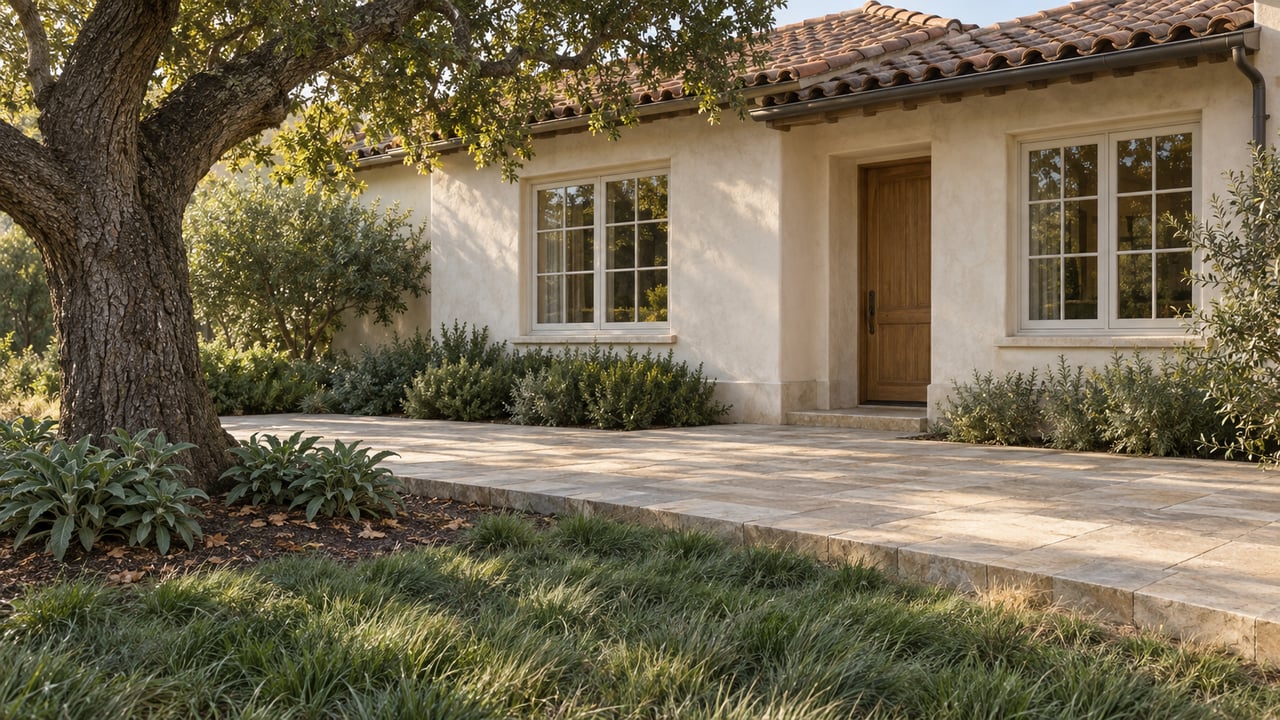
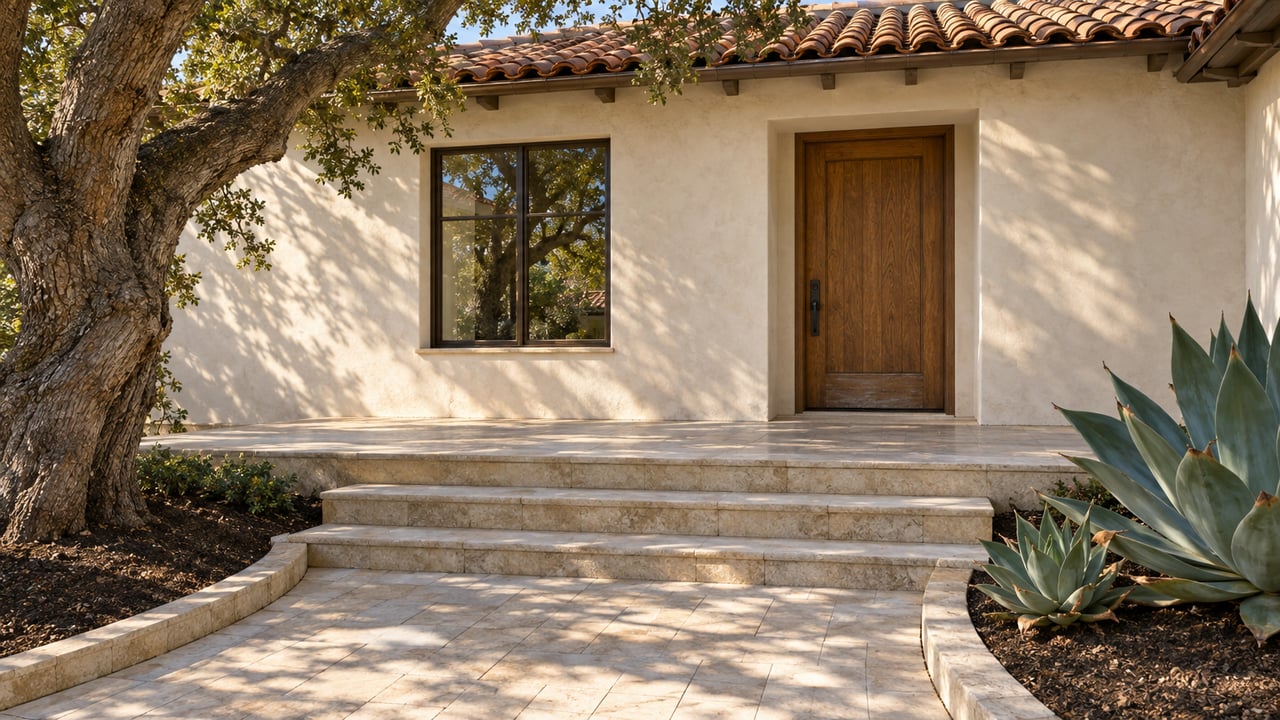
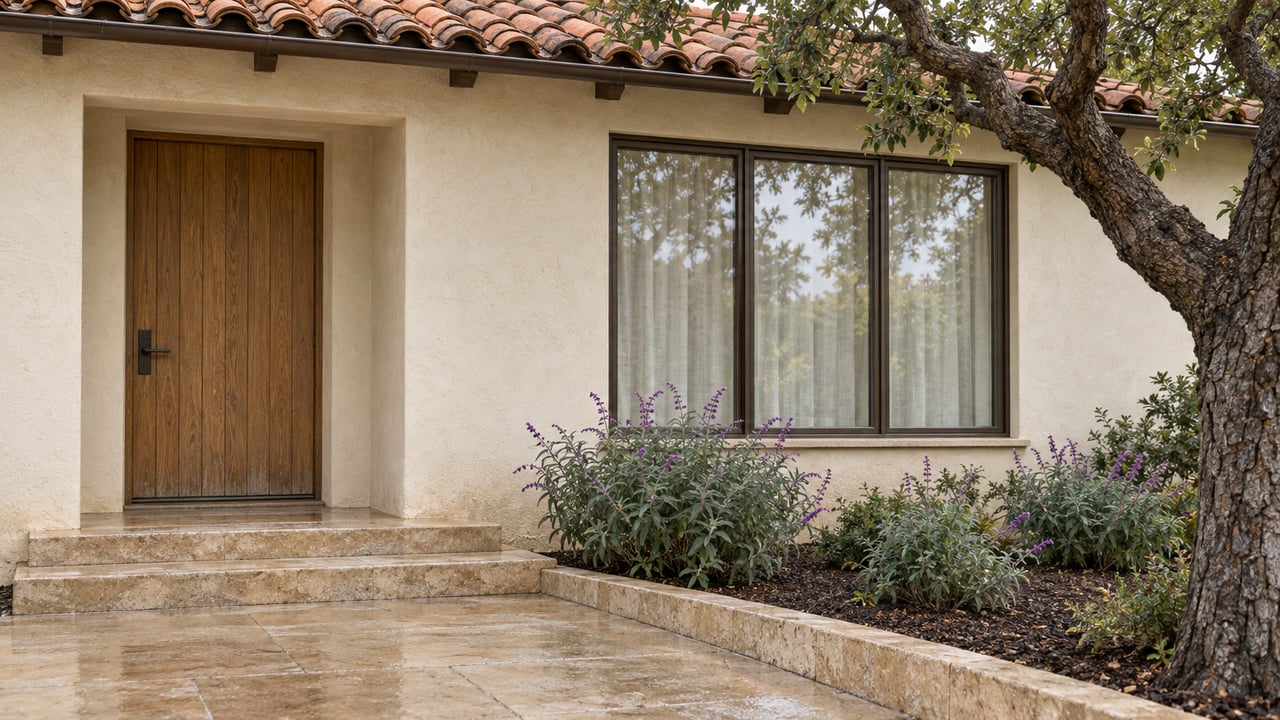
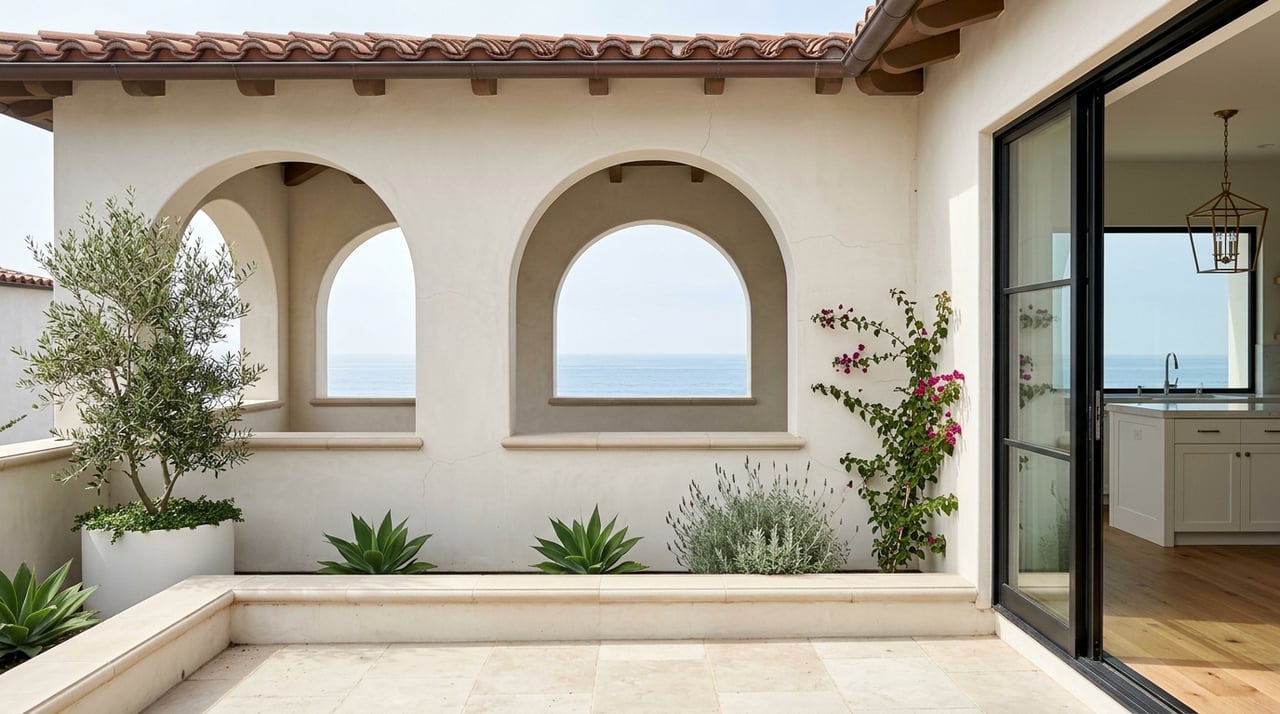
The city is especially known for Spanish Colonial Revival and Mediterranean Revival architecture. Historic design resources from the City point to features like thick plaster walls, clay tile roofs, patios, verandas, and decorative ironwork, along with other local styles such as Mission Revival, Craftsman, Victorian, and Italian Mediterranean.
That architectural mix is part of what gives coastal Santa Barbara its identity. In West Beach especially, the City’s design guidelines point to examples of multi-family housing and hotels along the waterfront, showing that the area includes a blend of residential, hospitality, and mixed-use buildings.
The practical side of oceanfront living
As appealing as the lifestyle is, coastal living here also comes with real-world considerations. Parking is one of them.
The City notes waterfront parking lots along the coast, but parking is managed and can be limited near the water. Santa Barbara’s residential permit parking program already includes designated permit areas in West Beach, on the Mesa, and in downtown, which is important to keep in mind if convenience is high on your list.
The shoreline itself is also actively managed. The City’s Waterfront Adaptation Plan says the stretch from Leadbetter Beach to East Beach faces erosion and flooding, and some facilities may need to move inland while the City works to preserve sandy beach areas and improve walking and biking connections.
That does not take away from the appeal of living by the water. It simply means that in Santa Barbara, oceanfront living is both highly desirable and closely stewarded.
Community events add to the experience
Another part of everyday life on the coast is the community energy. The waterfront hosts recurring public events such as the Harbor & Seafood Festival, Parade of Lights, Harbor Clean Sweep, and Harbor Nautical Swap Meet.
For residents, these events create seasonal rhythms that make the waterfront feel more like a lived-in part of the city. The coast becomes a place where daily routines and local traditions overlap.
Who oceanfront living fits best
Santa Barbara oceanfront living tends to appeal to buyers who want more than a view. It fits people who value walkability, outdoor access, coastal recreation, and a close connection between home, downtown, and the waterfront.
It can also suit different property goals. Some buyers want a blufftop perspective, some prioritize beach access, and others are drawn to the charm of low-rise buildings near the Harbor or West Beach. The right fit depends on how you want to live near the water, not just how close you want to be.
If you are weighing that decision, local context matters. Street by street, access patterns, parking realities, architecture, and day-to-day feel can vary more than you might expect.
If you are exploring oceanfront or near-ocean opportunities in Santa Barbara, Crawford Speier can help you understand the lifestyle, compare micro-locations, and navigate the details with a local, hands-on approach.
FAQs
What is daily life like near the Santa Barbara waterfront?
- Daily life near the Santa Barbara waterfront often includes easy access to beaches, blufftop parks, the Harbor, coastal walking and biking paths, and nearby dining and downtown destinations.
What beaches shape oceanfront living in Santa Barbara?
- Key waterfront areas include East Beach, West Beach, Leadbetter Beach, Shoreline Park, and Mesa access points such as Mesa Lane Steps and Thousand Steps.
How walkable is Santa Barbara oceanfront living?
- The City says Santa Barbara has more than six miles of paved multi-use coastal paths, making it easier to walk, bike, or roll between beaches and open-space segments.
What kinds of homes are found near the Santa Barbara coast?
- Coastal housing in Santa Barbara includes a mix of blufftop homes, beach-adjacent properties, and low-rise waterfront buildings, with local architecture often reflecting Spanish Colonial Revival and Mediterranean influences.
What should buyers know about practical coastal living in Santa Barbara?
- Buyers should be aware that parking near the waterfront is managed and can be limited, and the City is actively planning for coastal erosion and flooding along parts of the shoreline.
How does Santa Barbara’s waterfront connect to downtown?
- The waterfront is closely tied to downtown through walkable routes and, in 2026, a seasonal Downtown-Waterfront Shuttle connecting the Harbor, Cabrillo Boulevard, the train depot, courthouse, shopping districts, and restaurants.