If you’re comparing Montecito with other luxury coastal markets, you’re probably asking a bigger question too: what kind of lifestyle do you actually want your real estate purchase to support? Some coastal destinations lead with beach drama, some with walkable village energy, and others with newer planned luxury. Montecito stands apart for a different reason. It blends privacy, estate-scale living, curated design, and coastal access in a way few markets can match. Let’s take a closer look at how Montecito compares.
What Makes Montecito Distinct
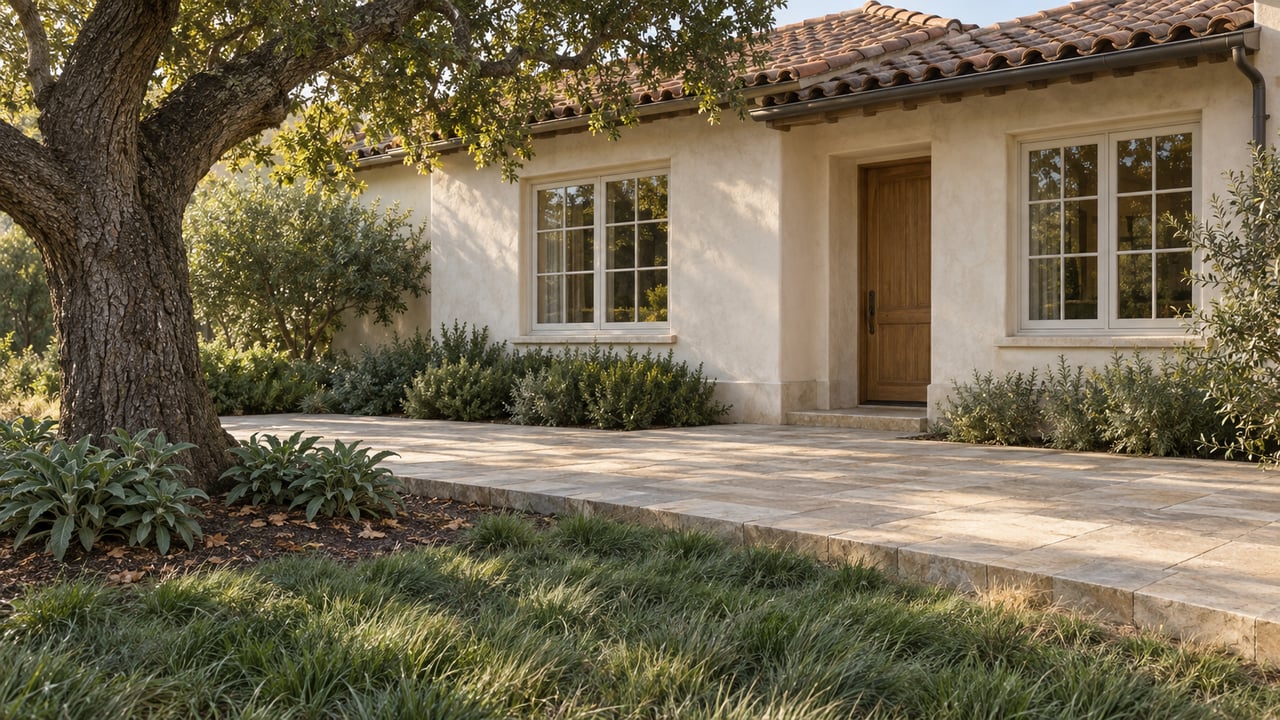
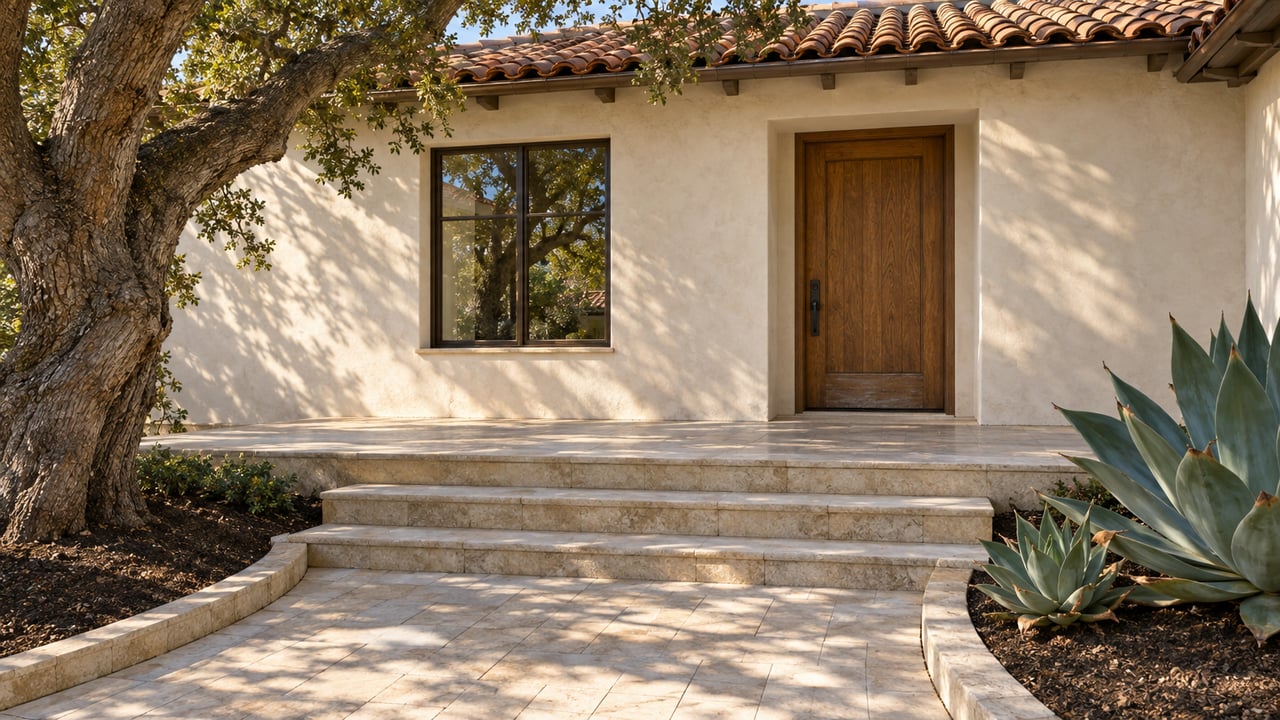
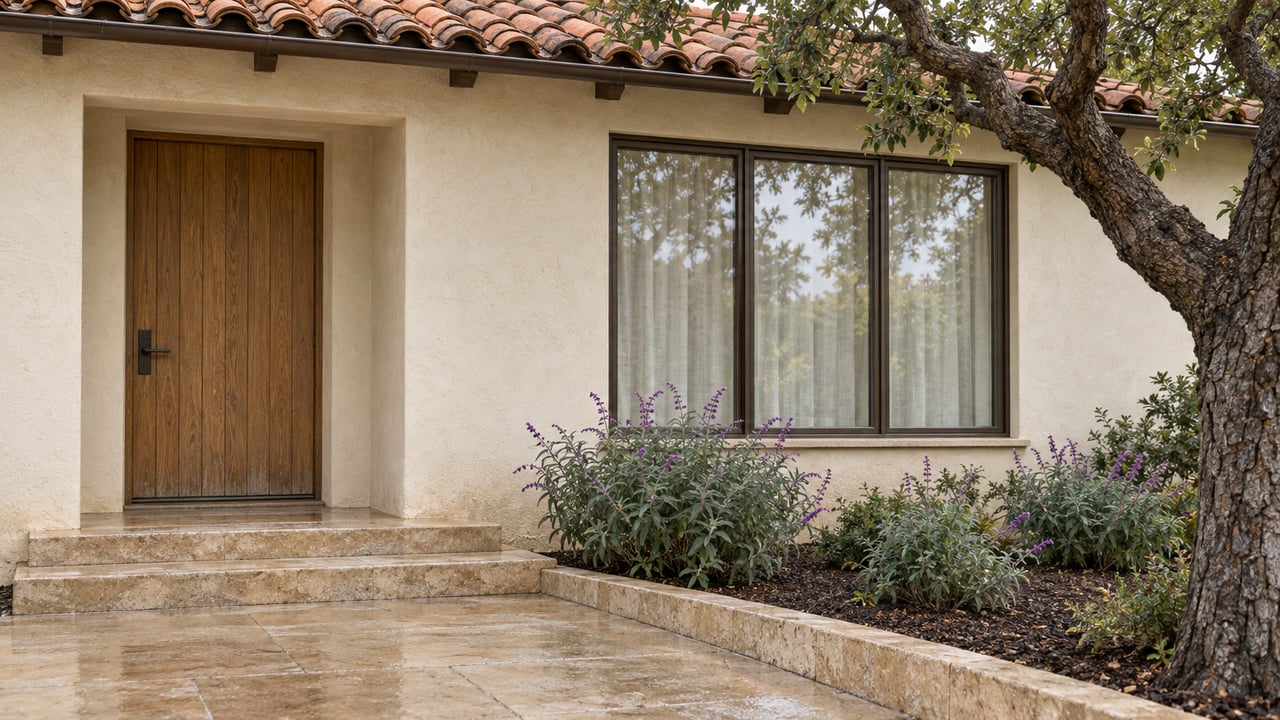
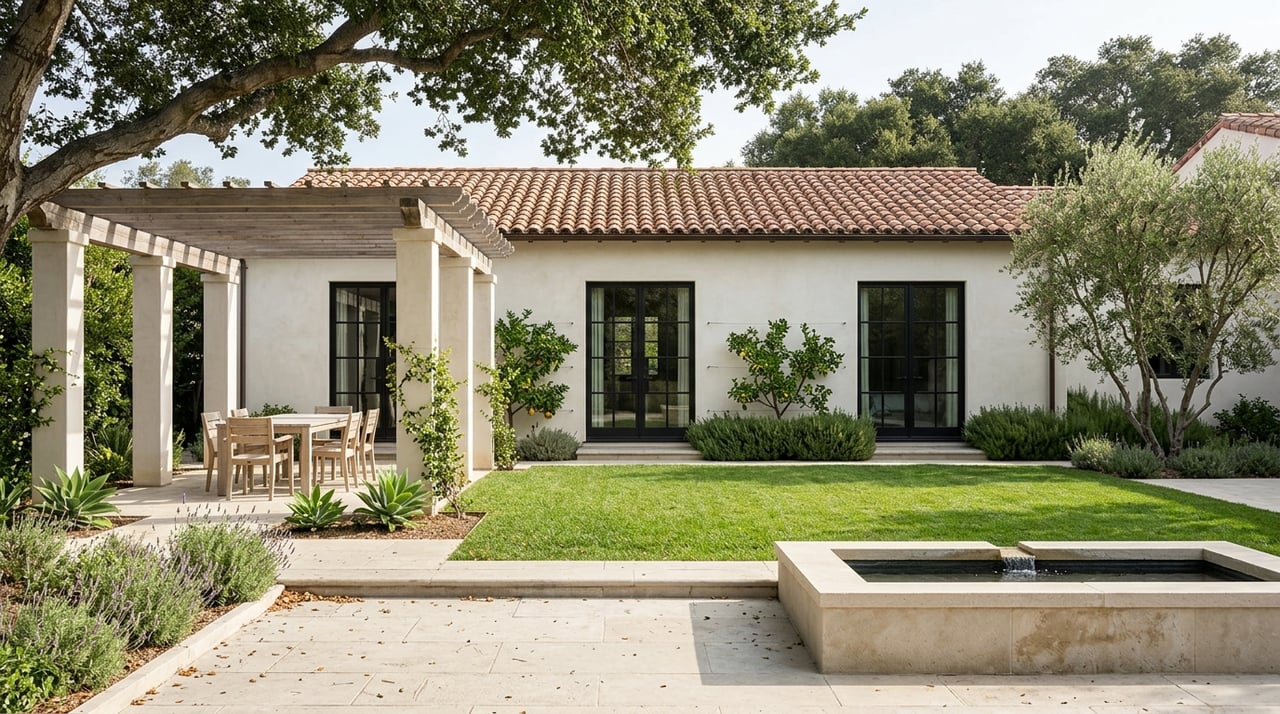
Montecito is not best understood as a compact beach town. It is a county-governed, semi-rural coastal enclave with a built environment shaped by residential neighborhoods, small cottages, historic large estates, narrow roads, and extensive landscaping.
That setting helps explain why Montecito feels different from many other luxury coastal markets. The area’s planning structure, including the Montecito Planning Commission and Montecito Board of Architectural Review, reinforces a highly curated character that protects its overall look and feel.
For many buyers, the lifestyle appeal goes beyond the water. Montecito combines access to Butterfly Beach and Miramar Beach with village retail and dining along Coast Village Road, landmark gardens like Lotusland and Casa del Herrero, and popular hiking routes nearby.
It is also a relatively compact community. Visit Montecito describes the area as a little over nine square miles with multiple village pockets, which gives you a mix of privacy and local convenience that is hard to duplicate.
Montecito’s Market Baseline
From a pricing standpoint, Montecito remains one of California’s most premium coastal markets. As of May 31, 2026, Zillow places the typical home value in 93108 at $5.12 million, with values up 9.3% year over year.
The same snapshot shows 67 homes for sale and a median list price of $5.53 million. While every luxury market has its own inventory mix, those figures support the idea that Montecito operates as a scarcity-driven estate market.
In practical terms, Montecito tends to attract buyers who value land, privacy, mature landscaping, and a quieter setting. If your search centers on estate character with beach access rather than nonstop activity, Montecito enters the conversation quickly.
Montecito vs. Malibu
Coastline Drama vs. Estate Privacy
Malibu is one of the clearest contrasts to Montecito. The city’s planning materials emphasize a coastal identity built around beaches, bluffs, coves, canyons, watershed areas, and coastal vulnerability, with all 21 miles of the city located within the coastal zone.
That creates a very different experience from Montecito. Malibu reads more like a long, linear coast-and-canyon market, while Montecito feels more like an estate village that happens to include excellent beach access.
Price and Inventory Snapshot
Zillow’s current Malibu snapshot shows a typical home value of $3.18 million, a median list price of $3.64 million, and 254 homes for sale. Compared with Montecito’s higher typical value and much tighter inventory, Malibu offers a different kind of coastal luxury profile.
If your priority is a dramatic shoreline identity and an exposure-heavy ocean setting, Malibu may be the stronger fit. If you want more privacy, garden settings, and a softer village feel, Montecito often stands out.
Montecito vs. La Jolla
Village Energy vs. Quiet Enclave
La Jolla appeals to buyers who want a denser village setting. San Diego’s tourism materials describe it as a village surrounded on three sides by the sea, with La Jolla Cove, La Jolla Shores, cliffs, coves, galleries, boutiques, and high-end dining shaping the local experience.
Compared with Montecito, La Jolla generally feels more urban. You may find more immediate access to restaurants, shops, and a broader range of beach experiences, but usually with less of the large-lot privacy that defines much of Montecito.
Price and Pace
Zillow shows La Jolla with a typical home value of $2.48 million, a median list price of $2.75 million, 202 homes for sale, and a median time to pending of 23 days. At the median, that makes La Jolla materially less expensive than Montecito, even though both are premier coastal addresses.
If you want walkability and village energy, La Jolla deserves a close look. If your focus is estate-scale living and a more relaxed, semi-rural setting, Montecito offers a different value proposition.
Montecito vs. Newport Coast
Organic Character vs. Planned Luxury
Newport Coast is one of the strongest California comparisons for buyers who prefer newer homes, gated enclaves, and a more master-planned luxury environment. Newport Beach describes the community as lined with newer homes, upscale hotels, and the Pelican Hill Golf Course.
That contrasts with Montecito’s more organic development pattern. Montecito tends to feel older, more layered, and more estate-driven rather than intentionally planned from the start.
Price and Supply
Zillow’s current snapshot for Newport Coast shows a typical home value of $5.61 million, a median list price of $3.86 million, and just 32 homes for sale. On typical value, Newport Coast sits slightly above Montecito, though the listing mix appears different.
If you want newer product and a polished resort-adjacent environment, Newport Coast may be the better fit. If you prefer mature landscapes, architectural variation, and a more established estate setting, Montecito usually feels more distinctive.
Montecito vs. Carmel-by-the-Sea
Cottage Scale vs. Estate Scale
Carmel-by-the-Sea is a compelling comparison for buyers who value restraint and village charm. The city says it has retained its village character, and its planning approach emphasizes simple forms, human scale, and very small effective floor-area allowances on typical lots.
That creates a much different built environment from Montecito. Carmel leans cottage-scale and regulation-heavy, while Montecito generally offers more estate grandeur and more land per home.
Lifestyle Feel
Zillow currently places Carmel-by-the-Sea at a typical home value of $2.44 million, with a median list price of $2.55 million and 98 homes for sale. It is a premium market, but one with a smaller-scale, storybook atmosphere rather than Montecito’s garden estate identity.
If you picture a romantic village-in-a-forest setting, Carmel may feel right. If you want a blend of privacy, outdoor access, and larger estate properties near the coast, Montecito usually offers more of that combination.
Montecito vs. Palm Beach
Formal Preservation vs. Semi-Rural Coastal Living
Palm Beach serves as a useful East Coast benchmark. The town emphasizes preservation of architectural character and historic commercial districts, and its design guidance notes Mediterranean Revival as the most popular architectural style.
Compared with Montecito, Palm Beach reads as more formal and preservation-minded. Montecito, by contrast, feels less rigidly urban and more semi-rural in its overall character.
Price and Market Profile
Zillow’s current Palm Beach snapshot shows a typical home value of $2.09 million, a median list price of $2.04 million, and 332 homes for sale. That makes Palm Beach a notable luxury market, but one that differs meaningfully from Montecito in atmosphere and land profile.
If your taste leans toward formal resort luxury and historic preservation, Palm Beach may resonate. If you want estate land, quiet roads, and a more understated coastal setting, Montecito often feels more aligned.
Where Montecito Fits Best
Montecito is often the best fit when your priorities include:
- Privacy
- Estate-scale land
- Garden settings
- Beach access without a dense beach-town feel
- A quiet village atmosphere
- A curated, established built environment
This is what makes Montecito so compelling within the broader luxury coastal landscape. It is not trying to be the busiest, newest, or most dramatic market on the map. Its strength is balance.
You get coastal access, outdoor lifestyle, village amenities, and estate character in one place. For many buyers, especially those looking in Santa Barbara County, that combination is exactly the point.
Why This Comparison Matters for Buyers
Luxury home searches are rarely about price alone. Two markets can both be expensive and still serve completely different lifestyles.
That is why broad labels like “coastal luxury” can be misleading. Montecito, Malibu, La Jolla, Newport Coast, Carmel-by-the-Sea, and Palm Beach all sit in that category, but they deliver very different day-to-day experiences.
The right comparison starts with how you want to live. Do you want a village you can move through easily, a dramatic coastline, a newer planned community, or a private estate setting with access to both beach and mountains?
If Montecito is on your shortlist, local context matters. Inventory can be limited, the character varies by pocket, and the best fit often comes down to details that are hard to see from market data alone.
If you’re weighing Montecito against other luxury coastal markets and want grounded local guidance, Crawford Speier can help you compare neighborhoods, interpret market conditions, and identify the lifestyle fit that makes the most sense for you.
FAQs
How does Montecito compare to Malibu for luxury buyers?
- Montecito generally appeals more to buyers seeking privacy, estate-scale land, and a village feel, while Malibu is better known for dramatic shoreline identity and a more linear coast-and-canyon setting.
How does Montecito compare to La Jolla in price and lifestyle?
- Montecito has a higher typical home value than La Jolla based on the latest Zillow figures, and it usually offers a quieter, more semi-rural setting instead of La Jolla’s denser village energy.
How does Montecito compare to Newport Coast for newer luxury homes?
- Newport Coast is a stronger fit if you prefer newer homes, gated enclaves, and a master-planned luxury environment, while Montecito is generally more organic, mature, and estate-driven.
How does Montecito compare to Carmel-by-the-Sea in character?
- Montecito tends to offer more land and larger estate properties, while Carmel-by-the-Sea is more cottage-scale, village-oriented, and tightly shaped by design rules.
How does Montecito compare to Palm Beach as a luxury market?
- Montecito feels more semi-rural and understated overall, while Palm Beach is more formal, preservation-minded, and shaped by historic resort character.
What kind of buyer is Montecito best for?
- Montecito is often best for buyers who prioritize privacy, estate character, garden settings, and a quiet coastal lifestyle with access to beaches, village amenities, and outdoor recreation.